
In its latest environmental assessment, the Great Barrier Reef Marine Park Authority reports that, at the start of the spring season, the seawater is still half a degree warmer than normal. A slight drop in temperature over the past few weeks has not brought any lasting relief to the Great Barrier Reef. This persistent warmth is visibly putting the health of the corals in 25 monitored reef areas under strain.
Extreme weather variations increase stress on the ecosystem. While heavy rainfall flooded the northern watersheds, precipitation in the central and southern regions remained at normal levels. To document the exact impact of these weather conditions, field teams conducted 182 targeted inspections. Researchers discovered mild heat bleaching on three northern and three central reefs, while storms caused physical damage at seven other locations.
In addition to temperature fluctuations, natural microbial processes also affect the reef. Coastal observers spotted massive floating algal blooms of Trichodesmium bacteria around Magnetic Island. Although these seasonal blooms cloud the water, they play a crucial role. They extract nitrogen from the air, thereby nourishing the entire marine ecosystem.
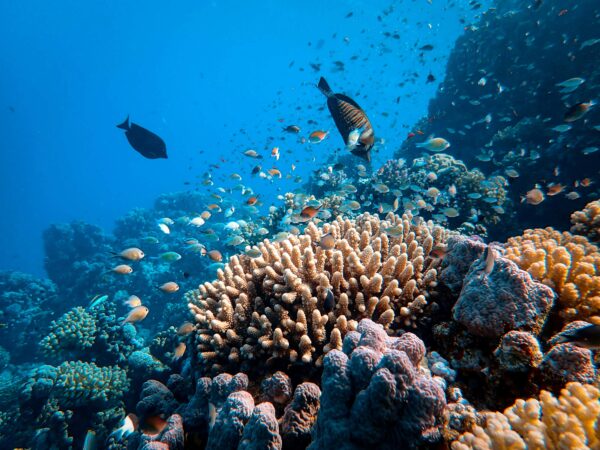
However, the greatest immediate threat to the coral currently comes from a predatory inhabitant. Specially trained diving teams surveyed 86 danger zones to actively combat the invasive crown-of-thorns starfish. By removing these aggressive coral-eaters on a large scale, the teams are protecting the vulnerable Acropora colonies from total destruction.
The report shows that the survival of Australia’s coral reefs depends on a combination of active pest control and the ecosystem’s resilience to heat bleaching and storm damage. Only when water temperatures stabilize over the long term and the crown-of-thorns starfish population remains under control will the damaged reef have a chance to fully recover.
